
The rain came down hard at my stepfather’s funeral. An hour later, his lawyer handed us a locked wooden box full of letters, and the first line of mine explained why one of my sisters had spent years running from the man we all called Dad.
The rain started just before they lowered Thomas’s casket. I stood in wet cemetery grass with my siblings—Michael, Mara, Noah—watching it sink down, all of us holding ourselves together in different ways.
I closed my eyes and whispered, “Thank you, Dad. Thank you for the school lunches with notes folded into napkins. Thank you for learning to braid hair from a library book. Thank you for taking five children who did not come from your blood and never once making us feel borrowed.”
My mother married Thomas when I was five. He gave me a pink teddy bear and said, “Hi, Pumpkin.”
When my mother died when I was seven, my grandparents came to take me. Thomas stopped them.
“She’s my daughter,” he said.
That was the whole discussion.
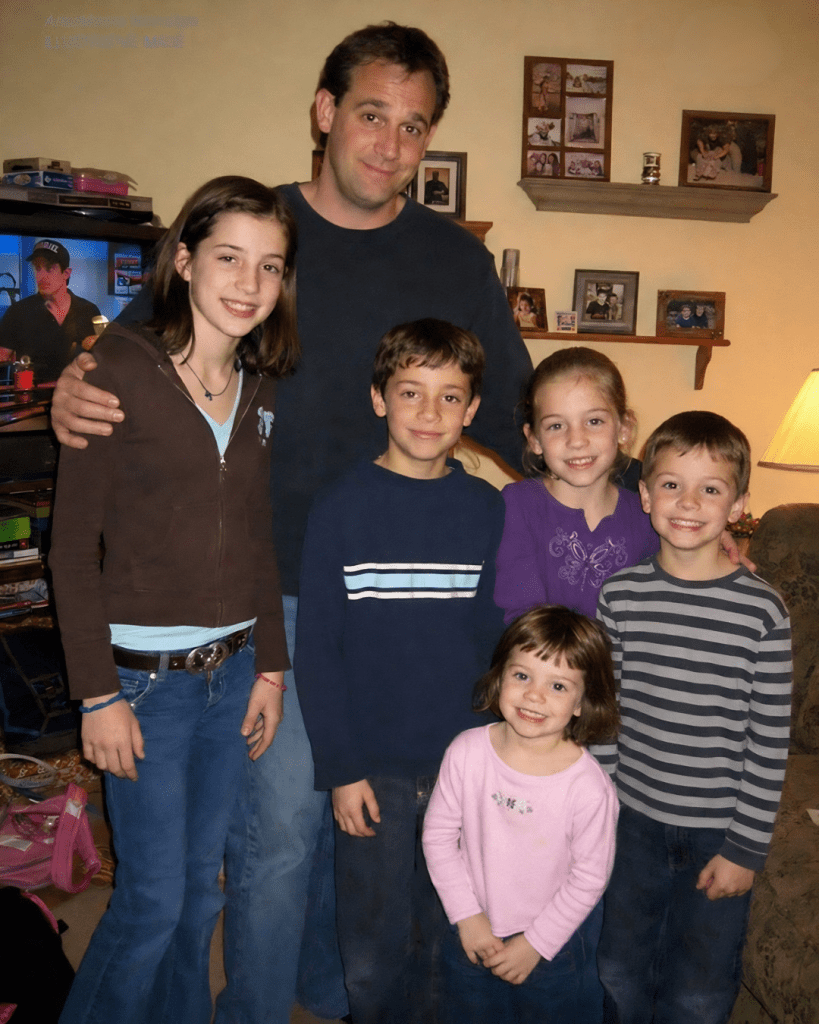
He adopted Michael and Mara later, then fostered and adopted Noah and Susan. None of us shared blood. He made us family anyway.
At the cemetery, Michael leaned in and said, “Susan came.”
She stood at the back under a red umbrella.
“Go talk to her, Christina,” Noah said softly. “Before she slips out again.”
I walked to her.
“You came,” I whispered.
“He’s still my father,” she answered. “The one who raised us all.”
Mara snapped, “That’s all you have to say? He waited for you for years, Susan.”
Michael added, “He sent cards. He called. He left the porch light on every single night.”
“I did what I had to do, guys,” Susan said.
I remembered the note she left years ago:
“I’m leaving,” the note said. “I’m staying with a friend. I need to build my life on my own terms.”
Thomas had just looked at me and said, “I mean, she’s gone.”
And when I asked why, he said, “Not mine to tell, Christie.”
Later Susan had told me, “You don’t know Thomas the way I do.”
Now, in the cemetery, a man approached.
“I’m Mr. Elwood, Thomas’s attorney… He left something for each of you.”
At the office, a locked wooden box sat on his desk. He handed me the key.
Inside were five envelopes.
I opened mine.
“My sweet girl,” the first line said, “Susan left because she discovered something about me the rest of you never knew.”
My hands shook as I read. Susan had found a locket with a photo of Thomas beside a woman she recognized—her mother.
Across the room, Susan went white. She read the rest, then stood up and left without a word.
“Susan!” I called.
She collapsed under an oak tree outside, shaking.
“I made a terrible mistake, Christie,” she said.
Thomas’s letter explained everything: the woman was his sister, Elise. Susan and Noah were her children. Thomas had brought them home after Elise died.
“He didn’t leave her. He wasn’t the man who’d abandoned my mother the way I thought. Thomas was… my uncle,” Susan whispered. “He came back for us.”
We stood in silence.
“Come with us,” I told her.
She shook her head.
Then Noah said, “Thomas would be furious if we split up in a parking lot after all this.”
Susan let out a broken laugh. “Take me home,” she whispered.
We went back to Thomas’s house that night. The porch light was still on.
Susan stared at it.
Inside, the house smelled like coffee and cedar. We moved through grief in small, familiar ways—making tea, finding albums, crying and laughing at the same time.
“I hated him for so long,” Susan said.
“You were 18 and hurt,” I said.
“Do you think he’ll forgive me?”
“Yes,” I told her. “I think he already has.”
Michael said, “Thomas would’ve forgiven a bank robbery if you looked sorry enough.”
Three days later, we returned to the cemetery.
Susan knelt at the grave.
“I’m sorry. I’m so sorry, Thomas.”
We placed a lantern beside the headstone.
It lit the ground like the porch light had always done.
Thomas spent his life telling children who were not his by blood that home is not a place you earn. It is a place that stays lit for you.
Then Susan took my hand. And when we walked away together, all five of us moved like siblings.